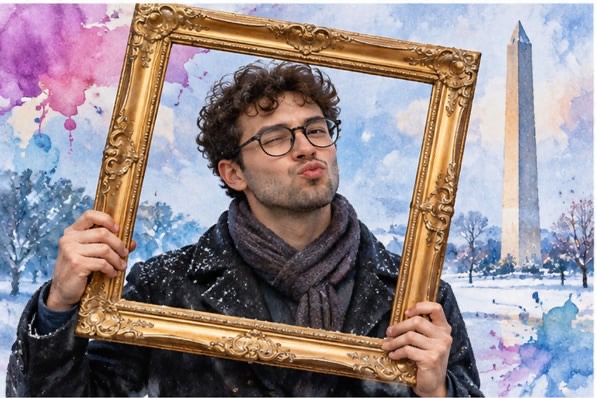
If you’re pitching an AI photo booth for a brand activation, give the creative team a scene guests can describe in one sentence. Then decide what they’ll take home. Those two choices guide the creative, guest flow, and approvals.
Write the concept in one sentence
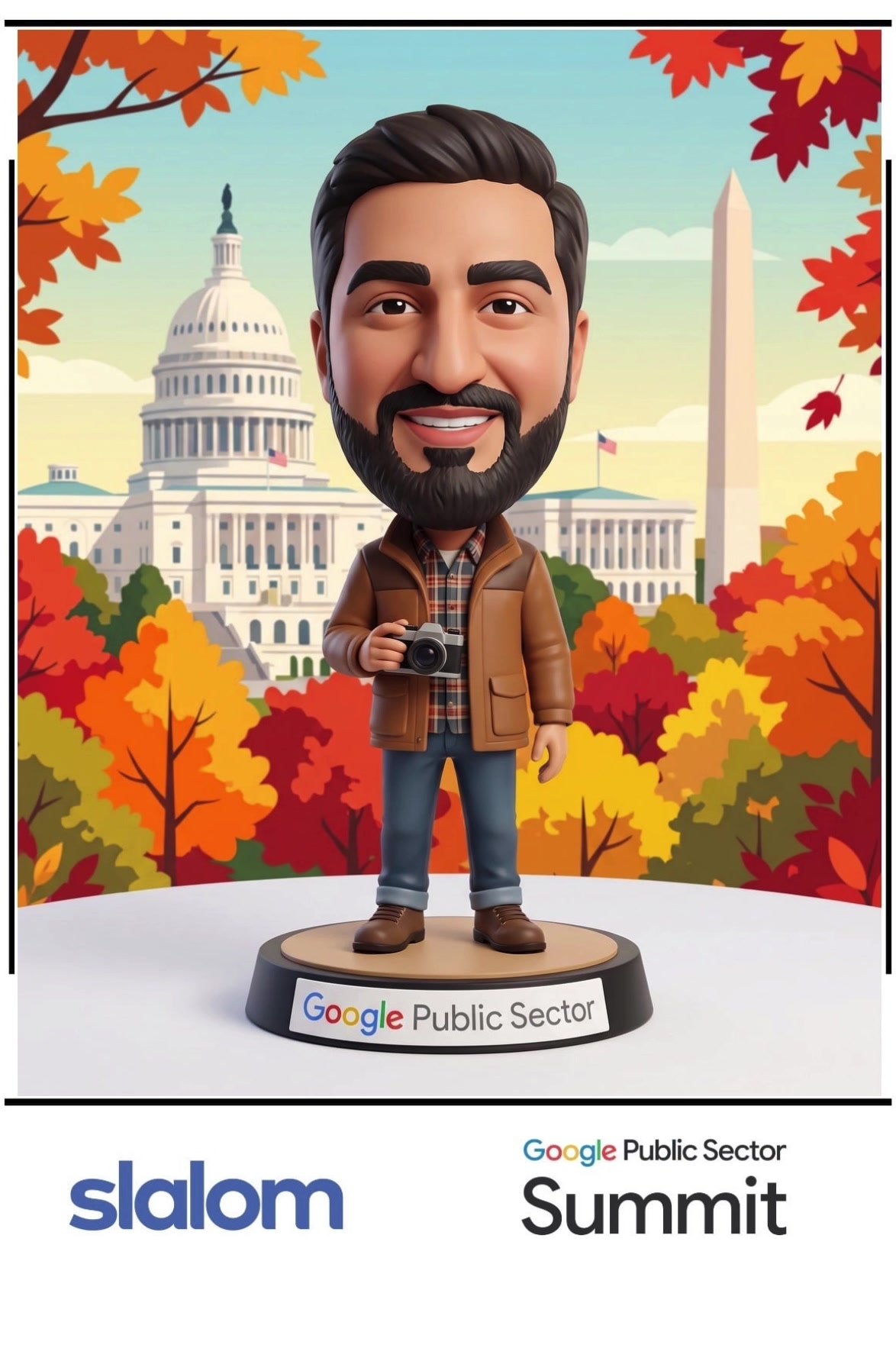
Try this structure: “Guests become [character] in [recognizable setting] and take home [deliverable].” For example, guests could step into a campaign’s illustrated city and receive a portrait sized for sharing. Decide whether everyone sees one consistent look or chooses from a short menu.
Make a practical approval sheet
Ask for several test portraits. Review likeness, the treatment of glasses and hairstyles, skin tone, logo placement, and how the result reads on a phone. Test the first-time guest flow with someone outside the creative team. Give one person responsibility for approving the treatment and agree on a fallback if an image needs to be retaken.
Design around the wait
Ask how long capture, generation, and delivery each take. If the output arrives later, show guests exactly what to do after their photo so they can rejoin the event. If you’re printing onsite, confirm where prints are collected and whether that creates a separate line.
Agree on image permissions before launch
Document how guests are told their portrait will be processed, how they receive it, and who may reuse it in a recap or campaign. Have the event owner approve the wording. The Spy Museum AI photo experience is an example of tying the visual concept to the event setting.
Write the permission rules next to the creative idea
An AI portrait brief is incomplete if it only describes the look. Add a short section on likeness and use: whether images may be displayed on a screen, posted by the brand, sent only to the guest, or withheld from public galleries. If your organization has rules about biometric data, AI training, or employee photos, put those in the brief before you choose a style.
Guests should be able to understand the rule in one or two sentences at the capture point. If someone declines, the team needs a clear alternative—skip the transformation, take a standard portrait, or simply walk on—so the line does not stall while a policy is invented on the floor.
Approve a real sample, not a mood board
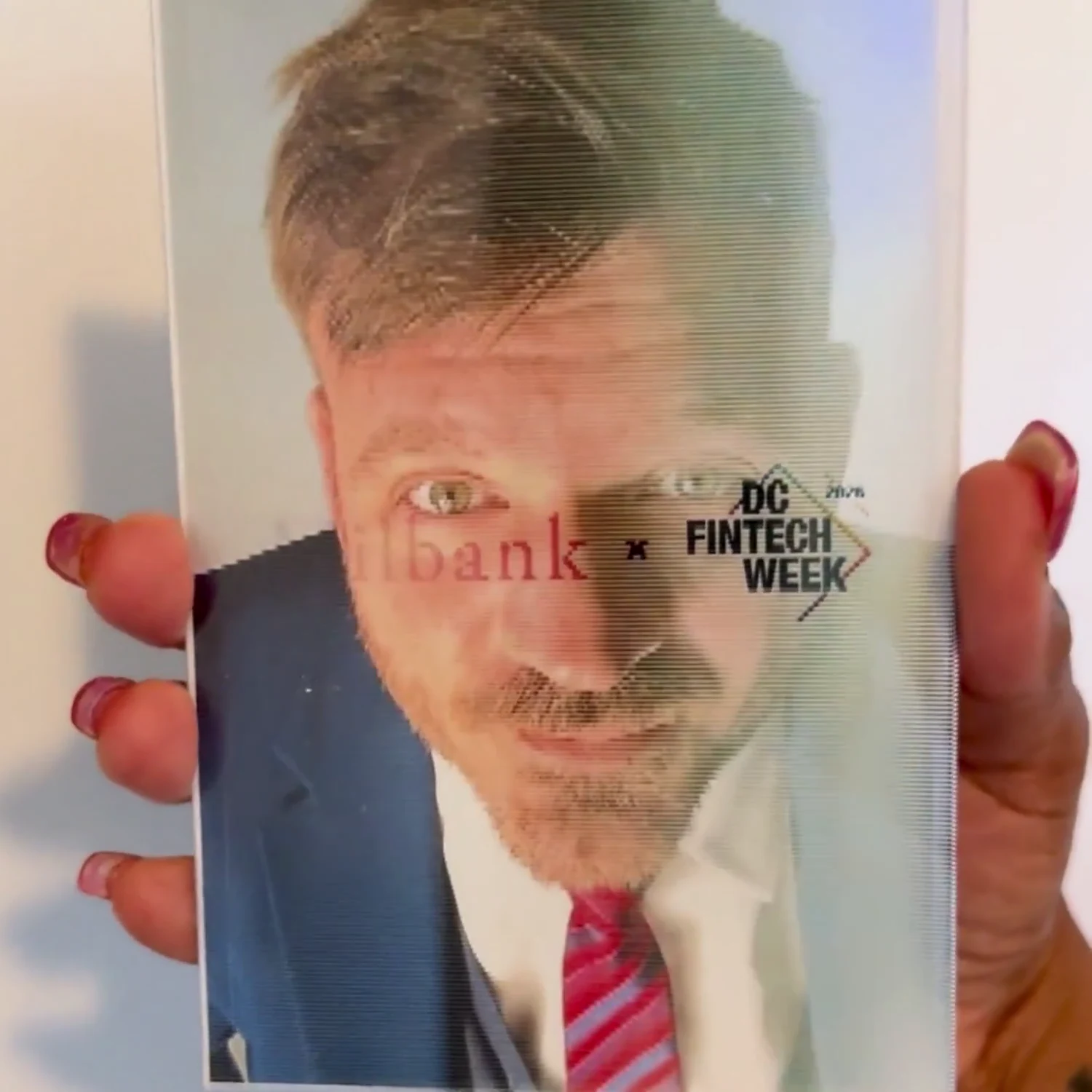
A reference image is useful, but the approval should be a sample produced in the same pipeline you will use onsite: the same camera, the same crop, the same overlay, and the same finishing step. Review that sample on a phone and, if you are printing, as a physical proof. Brand, legal, and the event lead should be looking at the same file.
Write down what would cause a sample to fail: a logo that is cropped, a skin tone that does not match the person, a background that competes with the campaign, or a processing time that cannot keep up with the expected line. Those criteria belong in the brief so the onsite team is not guessing.
Plan for a slow moment in the line
AI processing can vary with the concept and the connection. Decide what guests will do while they wait, how many people can be in process at once, and what happens if a file needs to be remade. A second, simpler output—such as a standard branded still—can be a useful fallback when the transformed image is not ready before the guest has to return to a session.
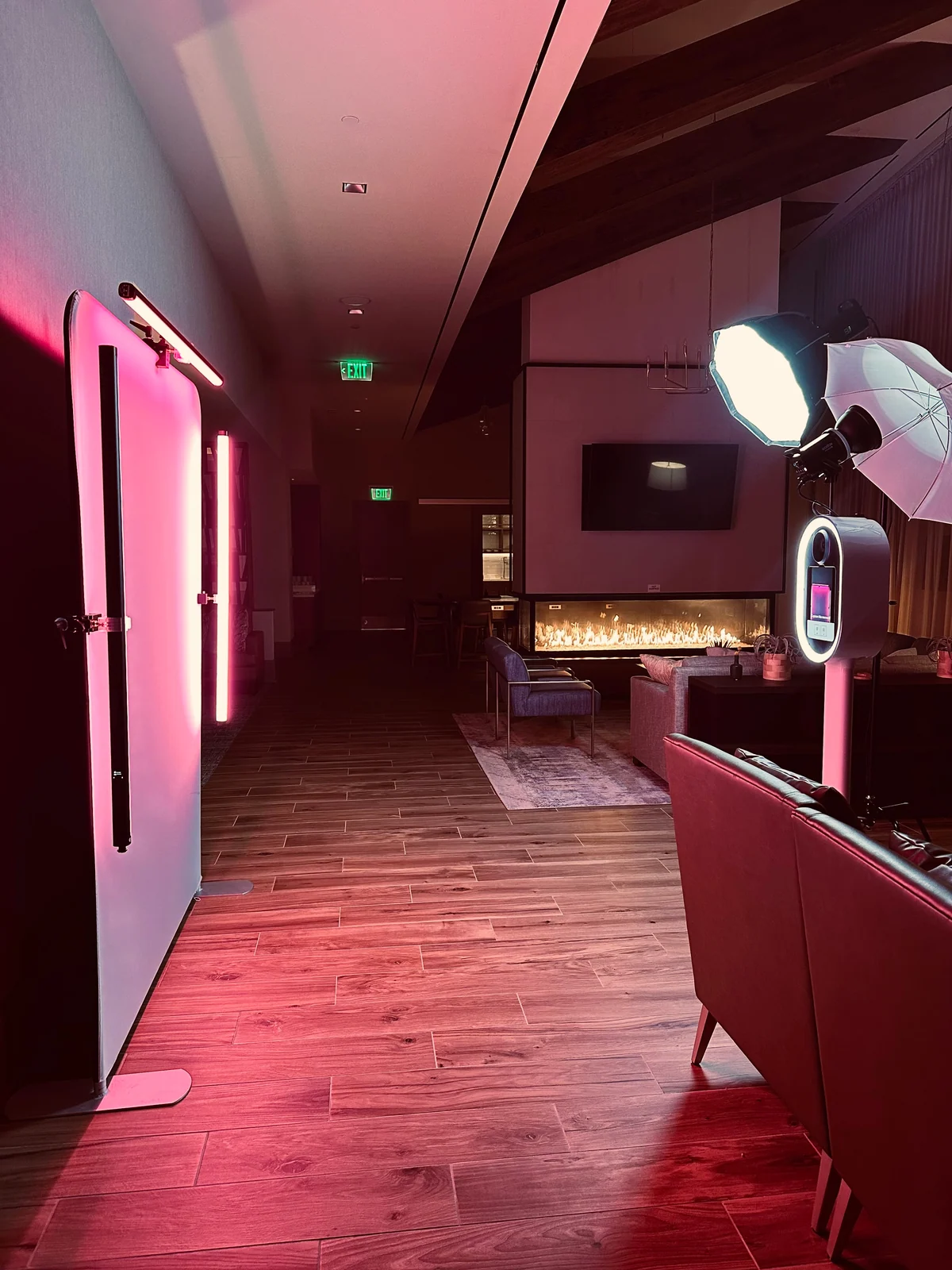
If the activation is in a government or corporate venue, confirm whether the processing and storage locations meet the organization’s requirements. Our AI Photo Booth page and Washington, DC planning notes may help if access or image-use rules are part of the brief.
Use the finished images with the same discipline you used in the brief
After the event, only use the images in the ways you stated at capture. If a recap film or a social post was not part of the original permission, do not add it later without a new agreement. If the same creative will travel to another city, reuse the approved sample and the same permission language so the experience stays consistent. See brand activations and multi-city activations when you are ready to brief the wider program.
Explore AI photo booths, see our Washington, DC event guide, or request a proposal with your venue and event date.